Dog Rehabilitation
Helping Your Dog Live Better
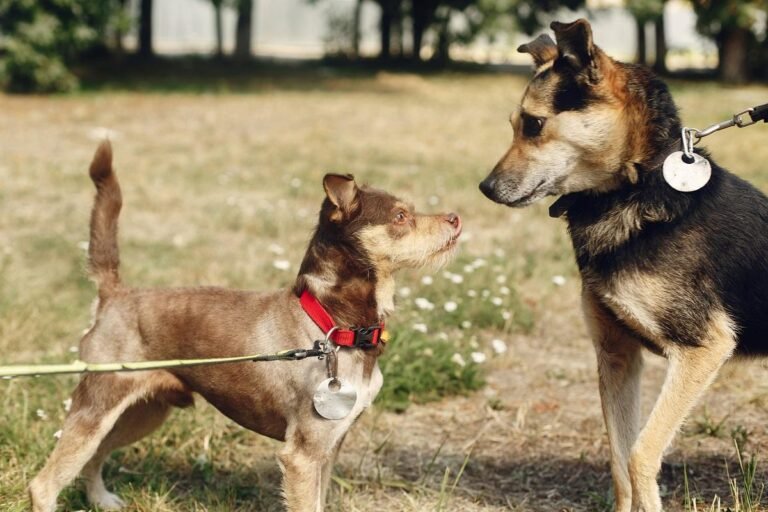
Canine Rehabilitation: Restoring Balance and Confidence
At CuraDog Training, we understand that living with a dog suffering from extreme fear, poor social skills, or high reactivity is not just a training challenge ,it is a deep concern for your companion’s well-being.
This section is dedicated exclusively to Comprehensive Canine Rehabilitation. We go beyond teaching commands; we focus on healing the dog’s relationship with their environment.
Why does my dog behave this way? The Science of Stress
It is fundamental to understand that most “behavioral problems” are not acts of rebellion. They are symptoms of an internal and external imbalance.
When a dog lives in a constant state of alert (fear or reactivity), their body undergoes drastic changes:
Brain Chemistry (Cortisol): Chronic stress elevates cortisol levels in the blood. This keeps the dog in a permanent “fight or flight” mode, chemically preventing them from learning or relaxing. A brain flooded with cortisol cannot regulate emotions.
Muscular & Physical Impact: Psychological tension translates into physical tension. Muscles become rigid and posture changes, often generating chronic pain or discomfort, which in turn fuels further reactivity.
Social Well-being: A lack of social skills leads to isolation, creating a vicious cycle of fear toward other dogs or humans.
Our Approach: We work to lower these stress levels, relax the musculature through movement and play, and restructure the dog’s mind so they can feel safe again.
Step 1: Initial Evaluation (The Intake)
Every dog is an individual with a unique history. Before proposing a plan of action, we need to thoroughly understand your dog.
The mandatory first step is an Initial Evaluation. In this session, we will analyze the root cause of the behavior, the triggers, and the dog’s current state.
Intake Fee: ƒ 85.-
This is a one-time fee that allows us to design the exact strategy your dog needs.
Step 2: Your Rehabilitation Plan (Board & Train)
Based on the evaluation, we will design a tailored program. Our primary methodology is an immersion stay (Board & Train) ranging from 1 to 8 weeks, depending on the severity of the case and the goals.
During this stay, your dog will live in a controlled environment where we will work on:
Pack Socialization: Regulated interaction with balanced dogs to learn canine body language and overcome fear.
Structured Walks: Physical and mental exercise essential for lowering anxiety.
Behavioral Training: Modifying unwanted behaviors from the root.
Command Training: Basic and advanced obedience to improve communication.
Leash Training: For calm walks without pulling.
Exposure to Triggers: Progressive desensitization to the “detractors” that cause reactions (noises, people, objects, other animals).
We may combine two or more of these options depending on what is required for your dog’s success.
Owner Commitment: Working Together
Rehabilitation does not end at our facility; it must continue at home. We firmly believe the owner is part of the solution.
During your dog’s stay, we will call you to attend private sessions at our center. The goal is for you to learn how to manage situations, understand your dog’s language, and maintain the progress achieved once they return home.
Investment
The price of the rehabilitation program varies based on the length of the stay and the specific combination of services your dog requires. A transparent quote will be provided immediately after the Intake.
Ready to change your dog’s life?
Do not let fear or reactivity limit your dog’s happiness and your home’s peace of mind.
Schedule your Initial Evaluation today.
- The amount of lesson will depend on the dog
- starting from 1 time a week
- Ussualy 20 - 60 minutes in the intake
- possible in the private and intern training.
Don’t know if you need this package? Maybe you need an intake. Here you can reserve one!
Frequently asked questions (FAQ)
Behavioral rehabilitation can be given to any healthy dog regardless of age. The process may take more or less time depending on the dog itself.
All dogs have a reason for aggression, mostly due to insecurity, fear, trauma or, rarely, simply a lack of control and poor emotional management. All of this has a solution and must be treated professionally as soon as possible. There is no dog that cannot be helped, but it will depend on the owner and the time they dedicate to how far they will go.
Many people think that neutering is the magic answer to all their dog’s problems. But in reality this is not entirely true since it would solve problems “in the future” if the dog has been sterilized before reaching puberty or if the problem has to be with a female or a male. Neutering is generally recommended to keep the dog population under control and little else. The best option is always to ask a professional for help in canine language since sterilization rarely causes a change in behavior.
It is preferable that yes, because that way everyone can learn at the same time. However, as long as the owner of the dog or the one who will be handling it most often during the day is present, it is sufficient.