Puppy Training
It is not only training, it is educating - The introduction to behavioral control
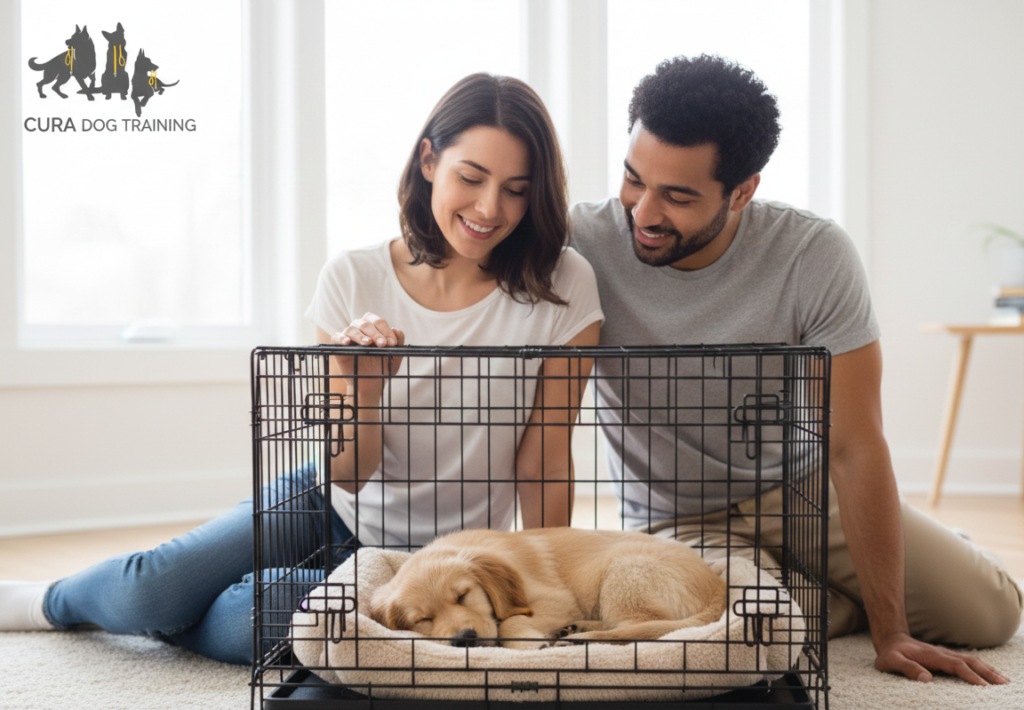
Raising a puppy is a wild ride. We’re here to help you get it right.
Let’s be honest: having a puppy is amazing, but it can also be exhausting. Between the chewed-up shoes, the puddles on the rug, and the midnight crying, it’s easy to feel a bit overwhelmed.
At Cura Dog Training, we believe the first few months are a “golden window” where we want to make sure they grow up to be confident, calm, and happy members of your family.
Our Puppy Course tackles the real-life struggles you’re facing now and prevents the big problems people usually see later on.
What we’ll work on together:
The Essentials for a Peaceful Home:
We’ll get straight into the stuff that matters daily: mastering toilet training and making the crate a place your puppy actually loves. We’ll also show you how to stop them from treating your furniture like a chew toy and (importantly) how to stop them from “stealing” your things just to get you to chase them. These habits are easier to prevent now than to fix in an adult dog.
Building a Calm Mind & Emotional Control:
Puppies don’t naturally have an “off switch.” We focus heavily on Relaxation Protocols—teaching your pup that being calm is actually a rewarded behavior.
We also work on Frustration Management;
life won’t always give them what they want immediately, and learning this now prevents reactive barking or lunging later. We’ll also start early exercises to prevent separation anxiety, ensuring they feel secure even when you aren’t in the room.
Exploring the World (The Right Way):
Socialization isn’t just about meeting other dogs; it’s about making sure your pup isn’t terrified of loud noises, cars, or strange objects. We use Proprioception and Body Awareness exercises because a puppy that knows how to use its body is a more confident dog. We’ll also introduce them to their collar and leash so they feel comfortable with their gear from day one, and we’ll tackle the “vacuum mode” to stop them from eating dangerous things off the floor.
Communication & Cooperative Handling:
We’ll use tools like the clicker and luring to build a clear “language” between you two. You’ll learn how to get them to come when called and how to handle them physically—like picking them up, checking their paws, or getting them used to a muzzle. This is vital so that vet visits or grooming don’t become a traumatic struggle for either of you. We even include tips on handling car sickness so you can enjoy trips together.
Why this matters: Understanding “Dog”
The biggest differentiator in our training is that we teach you to read your dog. Most behavioral issues come from simple misunderstandings. We’ll show you how to spot “Calming Signals”—the subtle ways your puppy tells you they are stressed or tired before they feel the need to growl or bite.
We’ll walk you through the common mistakes people make and the “Do’s and Don’ts” of puppyhood. Our goal is to help you understand your puppy’s emotional growth so you can guide them with empathy and clarity.
Ready to start? Let’s build a better bond from day one.
- Around 8 lessons
- Trainings can be between 1 to 4 times a week
- between 45 to 90 minutes every training
- Only possible in the private training

💵PRICES
✅Only private Training
⭐⭐⭐⭐⭐
ƒ 845.–
🐕Next steps
Once you’ve chosen your ideal package, simply contact us on WhatsApp and we’ll schedule a date and time to get started.
📲 Contact us for a personalized evaluation clicking in the icon below, and we’ll explain how far to go based on your dog and your lifestyle 🐶
Are you looking to take it a step further and learn how to communicate properly with your dog and teach it the basics as it grows up? Check the next option!
Frequently asked questions (FAQ)
The process of educating a dog should start as soon as possible, like the education of a child.
This can be from 2 months of age. The age at which it is recommended to adopt the dog and not before!
The times will be decided with the owner.
The training will be mostly at the dog owner’s house as dogs learn much better in a comfortable place for them. However, it can be in a different location if it is the owner´s wish.
It will only be necessary for the dog to have a leash, a collar and rewards.
For treats we recommend small pieces of sausage, ham or any type of meat. It is preferable that it is not dry food, since the dog is used to it and is much more excited by those already mentioned.
In case the dog is allergic to some type of food, please let us know beforehand.
It is preferable that yes, because that way everyone can learn at the same time. However, as long as the owner of the dog or the one who will be handling it most often during the day is present, it is sufficient.